How to Remove Water Rings From a Wood Table
Blot fresh moisture, identify the table’s finish, and start with the gentlest method to remove a water ring. Test any cleaner or polish in a hidden spot first, since the wrong treatment can dull or damage a finish.
On this page (7 sections)
- How do you remove water rings from a wood table safely?
- What does a white or dark water ring mean?
- Which treatment should you try first?
- How can you test a treatment without damaging the finish?
- What if the water ring does not come out?
- How do you prevent new water rings?
- How to remove water rings from a wood table without guesswork
To remove water rings from a wood table, blot fresh moisture, let the surface dry, and try the gentlest method that suits its finish. Test any cleaner or polish in a hidden spot first, then stop if the finish becomes dull, sticky, or discolored.
A white or cloudy ring often sits in the finish, while a dark mark can signal a deeper stain. The table’s finish matters: a treatment that helps one surface may harm another.
How do you remove water rings from a wood table safely?
Start with a dry, soft cloth and a small hidden-area test. Avoid scrubbing, heat, and household abrasives until you know what finish is on the table.
- Blot any fresh spill without rubbing it outward.
- Let the area dry fully, then check whether the mark remains.
- Dust the tabletop with a clean, soft cloth.
- Test a finish-appropriate treatment underneath the table or on another hidden spot.
- Follow its directions and work only on the mark.
- Stop if the finish changes, then let the area dry before checking the result.
Don't pour water or cleaner onto the tabletop. Apply a small amount to a cloth if the treatment allows it, and keep moisture away from seams and damaged areas.
What does a white or dark water ring mean?
A white or cloudy ring often affects the finish, while a dark ring may reach the wood. The color is a useful clue, but it doesn't identify the finish or guarantee that a mark will come out.
White marks can appear after moisture sits on a finished surface. Dark marks, roughness, peeling, or a crack in the coating deserve extra care because they may point to damage below the surface.
Don't use a stronger treatment just because a ring looks stubborn. For a dark stain or damaged coating, ask a furniture repair professional before trying to sand or refinish the spot.
Which treatment should you try first?
Choose a product made for the mark and the table’s finish, then test it out of sight. Some products target white rings on finished wood; none should be treated as safe for every table.
Howard Restor-A-Finish, Neutral is described as a finish-penetrating formula that blends minor blemishes and removes water marks without removing the existing finish. It is intended for light wood finishes, so check whether that fits your table before use.
The White Ring Remover Cloth is described as a treatment for heat marks and watermarks that does not strip or harm the finish. Use it only as directed, and stop if the surface changes.
LIBERON Furniture Ring Remover is described for white water rings on highly polished surfaces, including lacquer and varnish. Its instructions call for a clean lint-free cloth, circular rubbing, drying, and buffing with a soft cloth.
If a product’s directions don't match your table’s finish, skip it. For more daily care, see how to clean a wood dining table safely.
How can you test a treatment without damaging the finish?
Test the treatment on a hidden area and wait for it to dry before judging it. A spot under the tabletop or along an unseen edge can show whether the finish changes.
Use the smallest amount the instructions allow and a clean cloth. Don't combine products, and don't move to a more abrasive method if the test spot turns cloudy, sticky, or lighter.
If the test looks unchanged, treat only the ring and follow the product directions. Work gently; hard rubbing can leave a shiny or dull patch that stands out from the rest of the table.
Can you use an iron or hair dryer on a water ring?
Don't apply heat unless the table’s care instructions specifically allow it. Heat can affect some finishes, and direct heat is difficult to control on a small spot.
Skip internet remedies that rely on a hot iron, hair dryer, or abrasive paste when you don't know the finish. A cautious test with a treatment meant for finished wood gives you a clearer stopping point.
What if the water ring does not come out?
Stop after a gentle treatment fails and inspect the surface for damage. Repeated rubbing or stronger chemicals can make a small mark harder to repair.
If the mark is dark, rough, cracked, or still visible after the finish-safe steps, contact a furniture repair professional. Ask what finish is present before approving sanding, stripping, or refinishing.
For marks across a larger area, check how to protect a wood dining table from daily wear and review the table’s care instructions before applying another product.
How do you prevent new water rings?
Use coasters, wipe spills promptly, and keep hot or wet items off the bare tabletop. A cover can add a barrier, but follow the table manufacturer’s care advice.
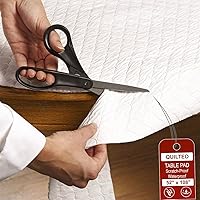
The LovePads Clear Table Protector, 1.5 mm is a clear PVC cover that can be cut to fit. Its care notes recommend putting a placemat under hot plates; measure the tabletop before choosing a size.
A cover may change how the tabletop looks or feels, so consider that before using one full time. For a finish-focused overview, read the best finish for a dining table top.
How to remove water rings from a wood table without guesswork
For a water ring on a wood table, dry the area, identify the likely finish, and test one gentle treatment in a hidden spot. Use a product only when its intended surface matches your table, and stop if the finish changes.
Choose Howard Restor-A-Finish for a light wood finish if its directions suit your table, the White Ring Remover Cloth for a white watermark, or LIBERON for a compatible highly polished finish. Prevent repeat marks with coasters and prompt cleanup, and use a fitted cover if that works for your table.
Frequently asked questions
Can you remove a water ring from a wood table?
Often, yes, if the mark is in the finish and the finish is still intact. Blot fresh moisture, let the area dry, and try a method meant for finished wood after testing it somewhere hidden.
A cloudy mark that remains or a damaged finish may need help from a furniture repair professional.
How long should you wait before treating a water ring?
Blot up fresh moisture right away, then let the surface dry before deciding whether a mark remains. Treating a damp area can make it harder to judge progress.
If the mark persists after drying, identify the finish and test a gentle approach in an inconspicuous spot.
Can toothpaste remove water rings from wood?
Toothpaste is abrasive and can dull or scratch some finishes, so it isn't a safe first choice. Start with a clean, dry cloth and a treatment made for finished wood, following its directions and testing in a hidden area.
Stop if the finish changes.
When should you call a furniture repair professional?
Ask a furniture repair professional if the mark is dark, the finish is cracked or peeling, the wood feels rough, or gentle finish-safe methods don't help. These signs can mean moisture reached the wood or the finish needs repair, rather than simple surface treatment.