Kitchen Table vs Dining Table: What Sets Them Apart (October 2026)
A kitchen table is usually chosen for everyday meals and kitchen fit, while a dining table often prioritizes formal seating and room presence. The names overlap, so choose by dimensions, layout and how you plan to use it.
On this page (6 sections)
A kitchen table is usually chosen for everyday meals and kitchen fit, while a dining table often prioritizes formal seating and room presence. The names overlap, so compare the table's dimensions, shape, seating and daily role before choosing.
A kitchen table can sit in a kitchen, breakfast nook or open dining area. A dining table can serve a similar role, but buyers may use the term for a larger or more formal room.
The practical distinction is how well the table works in your home. A small household may use one table for meals, homework and food prep, while another may want a dedicated place for hosting.
 Best for a compact round setup
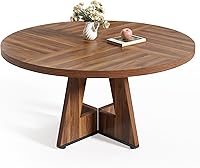
Jocoevol Round Pedestal Dining Table for 4
 Best for a spacious dining area
Plank+Beam Classic 72 Inch Solid Wood Dining Table
Kitchen table vs dining table: what is the difference?
The main difference is how people describe the setting and routine, not a fixed furniture standard. Both names can refer to tables used for meals, so judge each option by its size, shape, height and construction.
“Kitchen table” often points to a table used frequently and kept close to food preparation. “Dining table” often points to a table selected for a dining room or for larger shared meals.
Those are common patterns, not rules. A compact table in a kitchen can be sold as a dining table, and a long table in a dining room can be called a kitchen table.
The distinction matters most when product descriptions use broad labels. Translate the name into questions: How many people will sit here?
Will it fit the room? Does its surface suit daily use?
Does the name tell you how many people it seats?
No, the name alone doesn't tell you how many people can sit comfortably. Look for the top's dimensions, the shape of its base and the amount of room each chair needs.
A round 46 in table, for example, has a different seating pattern from a 72 x 36 in rectangle. The first keeps everyone around one central surface, while the second has long sides and distinct ends.
Don't treat a stated seating count as a guarantee of comfort for every household. Chair width, place settings and how closely people are comfortable sitting together all affect the fit.
Our guide to choosing a dining table explains how to weigh size, shape and wood together. Start with the room and the people who use it most often.
Which table works better for everyday meals?
Choose the table that fits your daily route through the kitchen and is easy to use for your regular meals. A convenient location and usable seating matter more than whether the name says “kitchen” or “dining.”
Think about what happens around the table between meals. It may be a place for breakfast, schoolwork, a laptop or sorting groceries, so an oversized table can interrupt movement even when it has plenty of surface area.
A smaller table can make daily meals feel less spread out. A larger table may be useful if people often eat together or if you want the same surface to support several activities.
When does a kitchen table make more sense?
A kitchen table makes sense when you want a shared everyday surface close to cooking and serving areas. A compact round table, such as the Jocoevol, may fit that role when a 46 in top and a lower shelf suit the room.
Check the 31 in height and the table's footprint against your chair size and available floor area. Its cross shaped base can leave space for stools, but you should still check where legs and footrests will sit.
If your kitchen is tight, compare the footprint with cabinet doors and the path between appliances. Our guide to kitchen tables for a small space covers ways to think through those tradeoffs.
When does a dining table make more sense?
A dining table makes sense when you have a dedicated area and want a larger or more defined setting for meals. A 72 x 36 in rectangular table like the Plank+Beam can suit a spacious room where its long top can also support work or games.
This table has solid wood panels and legs, a 30 in height and a trestle base. The bench is sold separately, so account for seating as you plan the room.
A larger top can spread out serving dishes or make space for extra activities. It also asks more of the room: measure the table area and the space chairs need when people sit down.
How do size and room layout affect the choice?
Measure the full area where the table and chairs will be used, then choose a shape that leaves clear paths. The table's footprint is only part of its space requirement.
Measure the room's length and width, and note doors, cabinets, appliances and walkways. Mark a possible table footprint with tape, then add space around it for chairs to move.
A round table can be easier to move around when there are no corners to pass. A rectangle can work well along a longer wall, but make sure its ends don't block a doorway or busy route.
For detailed clearance guidance, see how much space to leave around a dining table. If your room has an unusual shape, use the measurements to compare options instead of choosing by the product name.
Is a round table better for a kitchen?
A round table can suit a kitchen where people need to move around it or sit close together. It may be less practical in a narrow room if its diameter takes up needed walkway space.
The Jocoevol's 46 in round top gives it a defined footprint. Its shelf provides a place for tableware, though items stored there may affect where diners position their feet.
A round top has no long side, which can make it easier for people to face each other. It also lacks the straight edge that can sit flush against a wall, so consider whether you want the table centered or tucked in.
Is a rectangular table better for a dining room?
A rectangle often works well in a longer room or when you need a broad, straight serving surface. Check the full length and chair clearance before deciding that it fits.
The Plank+Beam measures 72 x 36 in, so it needs more floor area than a compact round option. Its solid wood panels and wirebrush finish give the top a textured look, while the trestle base shapes the seating space beneath it.
A rectangular table can be easier to align with a long wall or room axis. The corners and ends need clearance too, especially if people will sit at both ends.
Should you choose a fixed or extendable table?
Choose a fixed table when your household needs the same seating area most days; choose an extendable one when guest seating varies. Make sure the expanded table has enough open space around it.
The Mxtxmy table starts as a 43.3 in round top and expands to a 59 x 43.3 in oval. Its extension leaves store under the top, so you can keep the shorter shape for daily meals and add length when needed.
That flexibility can help if your kitchen is compact but you sometimes host more people. The expanded shape still takes more room, and you need space to reach chairs and walk around the table.
A fixed table avoids a change in shape and gives you one footprint to plan around. Compare both sizes on the floor before choosing an extendable model, not just its everyday dimensions.
What should you check beyond the table's name?
Check the measurements, materials, base and care needs before buying. These details determine whether a table works with your chairs and daily routine.
Height affects how a chair fits beneath the top. The three examples here range from 29.5 to 31 in tall, so match the table height to your chair seat and allow for any apron or support beneath the top.
Material matters for both appearance and upkeep. The Plank+Beam uses solid wood panels and legs; the Jocoevol and Mxtxmy use engineered wood tops, with metal or engineered wood components in their frames.
Base design affects where chairs can go. A trestle, cross shaped base and other support layouts leave different spaces for knees, chair legs and stools.
If wood is your priority, our guide to the best wood for a kitchen table compares common options. Match the table's surface and finish to the spills, heat and daily wear you expect.
Which should you choose: kitchen table or dining table?
Choose by room fit and use: pick a compact everyday table for a busy kitchen, a longer fixed table for a dedicated dining area, or an extendable shape when seating needs change. The category name is only a starting point.
For a shared round setup, consider whether the Jocoevol's 46 in top and shelf suit your chairs and floor space. For a long surface, the Plank+Beam's 72 x 36 in top needs a larger footprint.
If you need a table that changes shape, compare the Mxtxmy's round and oval dimensions with your normal and guest layouts. For more options, see our kitchen table picks.
Frequently asked questions
Are kitchen tables and dining tables the same?
They can be the same kind of furniture. “Kitchen table” usually describes a table used for regular meals in or near the kitchen, while “dining table” often suggests a dedicated dining area or more formal use.
Check the table's size, height and base instead of relying on its name.
What size table works in a kitchen?
Choose a table that leaves room to pull out chairs and walk around it. Measure the available floor area and account for nearby cabinets, appliances and doorways.
For seating and clearance details, see our guide to how much space to leave around a dining table.
Can a dining table work as a kitchen table?
Yes, if its dimensions and materials fit your kitchen routine. A long rectangular table can provide room for meals and other tasks, while a round table may fit better where people move around it.
Consider the surface care it needs and whether the base leaves enough room for chairs.
Should I choose a round or rectangular table?
A round table can make conversation easier and avoid sharp corners, while a rectangle can fit a longer wall or provide a longer serving surface. Room shape and chair clearance matter more than the label.
Compare the tradeoffs in our round vs rectangle dining table guide.