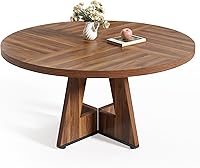
What Is a Trestle Table, and Who Is It For?
A trestle table has a top supported by one or more crosswise frames, often joined by a long horizontal stretcher. It can suit you if you want a sturdy-looking base, a farmhouse style, or room to seat guests along the sides.
On this page (6 sections)
A trestle table has a tabletop supported by crosswise frames, often connected by a long horizontal stretcher. It may suit you if you want a farmhouse look, open corners, or a base that feels substantial, but the frame and stretcher can affect legroom.
The name describes the support structure, not one fixed style. Trestle tables range from simple, narrow frames to broad bases with carved feet, so inspect the shape below the top as closely as the surface.
What is a trestle table base?
A trestle base supports the tabletop with frame-like structures beneath it. Many designs use two end supports joined by a lengthwise stretcher, though details vary.
Each end frame may have two feet connected by a crosspiece. The stretcher links the frames and can add visual weight while keeping the supports connected.
The tabletop may overhang the base. That overhang can leave the corners open, but it doesn't guarantee more legroom: a stretcher, feet, or crosspieces may sit where you want to place your legs.
Look at the full base from the side and ends. A product may use the word “trestle” for a range of frame shapes, so check the actual structure and its position under the top.
Who should choose a trestle dining table?
Choose a trestle table if you like a visible frame base and its supports fit your seating plan. It can work for family meals, shared work, or gatherings when the table dimensions and legroom suit the room.
This style often fits rustic, farmhouse, and traditional rooms because the support frame is part of the table's appearance. For a similar look in a full room plan, see our guide to farmhouse kitchen tables.
A trestle base may also help if you want fewer legs at the tabletop corners. That can make it easier to arrange chairs along the sides, but check where the feet land and whether end seats have enough clearance.
It may not suit you if you frequently tuck chairs close to the table or need open space for feet across the entire seating area. A central pedestal or another base style may work better for some layouts.
Can you seat people at the ends of a trestle table?
You can seat people at the ends if the end frames leave enough room for chairs and knees. Measure the gap between the tabletop edge and the nearest support before planning an end seat.
Some end frames sit close to the table ends, while others leave a larger overhang. Don't assume the overhang is usable seating space without checking where the support and feet sit.
If you're choosing between base shapes, our guide to round and rectangular dining tables explains how table shape affects conversation and room flow. The base still needs a separate check for chair clearance.
How does a trestle table compare with four legs?
A trestle table uses connected frames, while a four-leg table places a leg near each corner. The difference changes the look and the spots where chair legs and feet may meet the base.
With corner legs, chairs can run into the legs when you try to add a seat or move one along the side. Trestle supports can clear some corner areas, though crosspieces and stretchers may take up space beneath the middle.
Neither design always gives more usable seating. Compare the distance between supports, the apron depth, and how far the top extends beyond the base.
For a broader decision about tabletop shape, size, and material, start with how to choose a dining table. A good fit depends on the whole setup, not just the base name.
What should you check before choosing one?
Measure the room, chairs, and base clearance before choosing a trestle table. The frame can affect where seats fit and how comfortably people can sit.
Check these points:
- Table size: Measure the top and leave room to pull chairs out.
- Support position: Note the distance between end frames and where their feet reach.
- Stretcher height: Check whether it meets your feet or chair crossbars.
- Seating plan: Confirm side and end seats have enough space.
- Table height: Compare it with your chairs, including the distance from seat to underside.
A table's overall width and length don't tell you exactly where its supports sit. If that clearance matters, seek a base diagram or ask the seller about the frame layout before ordering.
Does a trestle base always feel sturdy?
A trestle base can feel stable when its parts are well joined and the table is assembled correctly. The word “trestle” alone doesn't tell you how a particular table will handle everyday use.
Look for a frame that connects securely to the top and a stretcher that links the supports. Check care and assembly guidance, and tighten fasteners as directed if they loosen over time.
Which trestle table might fit your room?
Choose based on the table's size, materials, and support layout, not the trestle label alone. These examples show different styles and footprints.
The Signature Design by Ashley Valebeck has a distressed white base, brown tabletop, and removable center leaf that extends it from 69.5 to 86 in. Its pine wood, veneer, and engineered wood construction may suit a room that needs a farmhouse look and occasional extra length.
The WAMPAT table measures 74.8 x 35.4 in and has a T-style base with a horizontal stretcher. Its dark walnut look may suit you if you want a fixed-length table with a visible frame.
The Reclaimed Solid Wood Farmhouse Trestle Table is 59 x 35.5 in and has a walnut finish. Its smaller listed footprint may work for a more compact dining area, provided the frame leaves enough clearance for your chairs.
Compare wood construction and surface materials in our guide to solid wood versus veneer dining tables. Match the material choice to how you use and care for the table.
Is a trestle table right for you?
Pick a trestle table if its frame suits your style and leaves enough room for your chairs and feet. Choose another base if the stretcher or end supports interfere with your usual seating positions.
Measure the room and check clearances before deciding. For the full choice across shape, size, and wood, see how to choose a dining table.
Frequently asked questions
What is a trestle table?
A trestle table is supported by frame-like bases beneath the top, usually set crosswise and connected by a long stretcher. The frames carry the tabletop instead of relying on four separate corner legs.
Designs vary, so check the base shape and where its supports sit before choosing chairs.
Are trestle tables good for dining?
Trestle tables can work well for dining when the base leaves enough space for your chairs and legs. Check the distance between the supports, the table height, and the apron or stretcher position.
If you often seat people at the ends, confirm that the base won't block those seats.
Do trestle tables have more legroom?
They can leave open space near the corners, but a stretcher or cross supports may limit foot placement elsewhere. The amount of usable legroom depends on the base design and the chairs you use.
Measure your seated position and check support locations before you buy.
How is a trestle table different from a pedestal table?
A trestle table uses frame-like supports, often connected by a horizontal stretcher, while a pedestal table rests on one central support or a small group of central supports. Both can clear the corners, but their bases occupy different parts of the floor.
Compare the frame shape with your chairs and seating plan.